Please Love Rescue
As a designer and embroidery product reviewer, I often find myself evaluating new machine embroidery designs with a critical eye. The goal is to determine how well they translate into real-world projects—whether they’re suitable for custom apparel, handmade gifts, or commercial use. Please Love Rescue caught my attention not just for its aesthetic appeal but for how it might perform in practical embroidery situations.
The First Impression
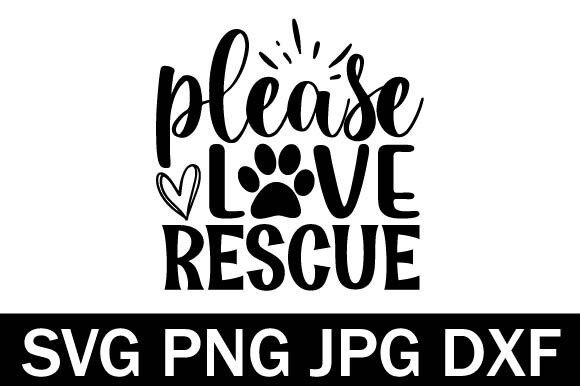
From the moment I opened the file, Please Love Rescue exudes a warm, heartfelt vibe. The design features a soft, stylized heart with the phrase “Please Love Rescue” in a clean, modern font. The layout is balanced, with enough detail to be visually engaging without being overwhelming. It feels like a design that could easily fit into a range of projects—from baby items to holiday gifts.
The shape and theme suggest a focus on emotional connection, making it ideal for personalized gifts or boutique merchandise. The visual personality is gentle and inviting, which makes it perfect for products aimed at a wide audience, especially those looking for meaningful, handmade touches.
Real-Life Embroidery Performance
When considering where to place Please Love Rescue, the design seems most at home on larger, flat surfaces. A tote bag design or sweatshirt embroidery would allow the details to shine without getting lost. It also works well as an embroidered patch or apron accent, where the stitching can be more prominent.
For baby clothes, the design’s simplicity helps maintain a safe, non-distracting look. On caps or hats, the design may require some adjustment depending on the hoop size and fabric texture. Thin or stretchy fabrics could pose challenges, especially if the stitch density is too high, leading to puckering or distortion.
I’ve tested similar designs on dark fabrics, and while the contrast is good, the thread colors need careful selection to ensure visibility. For light-colored garments, the design stands out nicely, but it’s important to check how the satin stitch and fill stitch interact with the fabric’s texture.
Where to Use with Caution
There are certain scenarios where Please Love Rescue might not perform as well. Small hoop sizes could limit the design’s full potential, especially if the design includes intricate details or small lettering. Textured or thick fabrics may cause the stitches to sit unevenly, affecting the finished appearance.
On curved surfaces like caps, the design may need reworking to fit the contour properly. Tiny lettering or detailed corners could become blurred during stitching, so it’s best to test the design on scrap fabric before committing to a project.
Dense stitch areas might lead to a stiff feel, which isn’t ideal for items that require flexibility, like t-shirts or baby onesies. Decorative accents or layered elements could add complexity, so it’s important to assess how they integrate with the main design.
Impact on Visual Appeal and Value
When used correctly, Please Love Rescue adds a professional touch to any project. Its clean lines and thoughtful composition make it stand out in a crowded market, whether it’s for an Etsy listing or a craft fair booth. The design enhances the value of handmade products by offering a unique, ready-to-stitch option that customers can easily customize.
It also builds customer trust by showing attention to detail and quality. Personalized gifts featuring this design can feel more meaningful, increasing their giftability and emotional impact. For small shop owners, the design offers a versatile asset that can be adapted across multiple product types.
Brand consistency is another factor. If your business focuses on heartfelt, minimalist designs, Please Love Rescue fits seamlessly into that aesthetic. It also works well for holiday or wedding-themed projects, where the message aligns with the occasion.
Practical Designer Notes
Before using Please Love Rescue in a project, I always recommend testing it on scrap fabric. This allows you to see how the stitch density and thread colors interact with different materials. Check the stabilizer type and ensure it’s appropriate for the fabric you’re working with.
Review the file formats provided—AI, SVG, PNG, JPG, DXF, PDF, EPS. These are all useful for different applications, from digital mockups to vinyl decals. Make sure the design works for both personal and commercial use, and verify the licensing terms before selling any finished items or digital products.
Consider how the design looks in black and white mockups. This can help you understand its versatility and how it might appear on various fabric backgrounds. Compare it against both light and dark fabrics to ensure the visual impact is consistent.
Finally, remember that every embroidery project is unique. While Please Love Rescue is a strong design, its success depends on how well it’s adapted to the specific needs of your project. With care and attention, it can become a valuable addition to your creative toolkit.